
Ledger.com/Start® | Getting started®™ — Ledger Support
Explore Ledger.com/start to configure your Ledger device and learn about wallet accounts, supported assets, balances, and transfers.
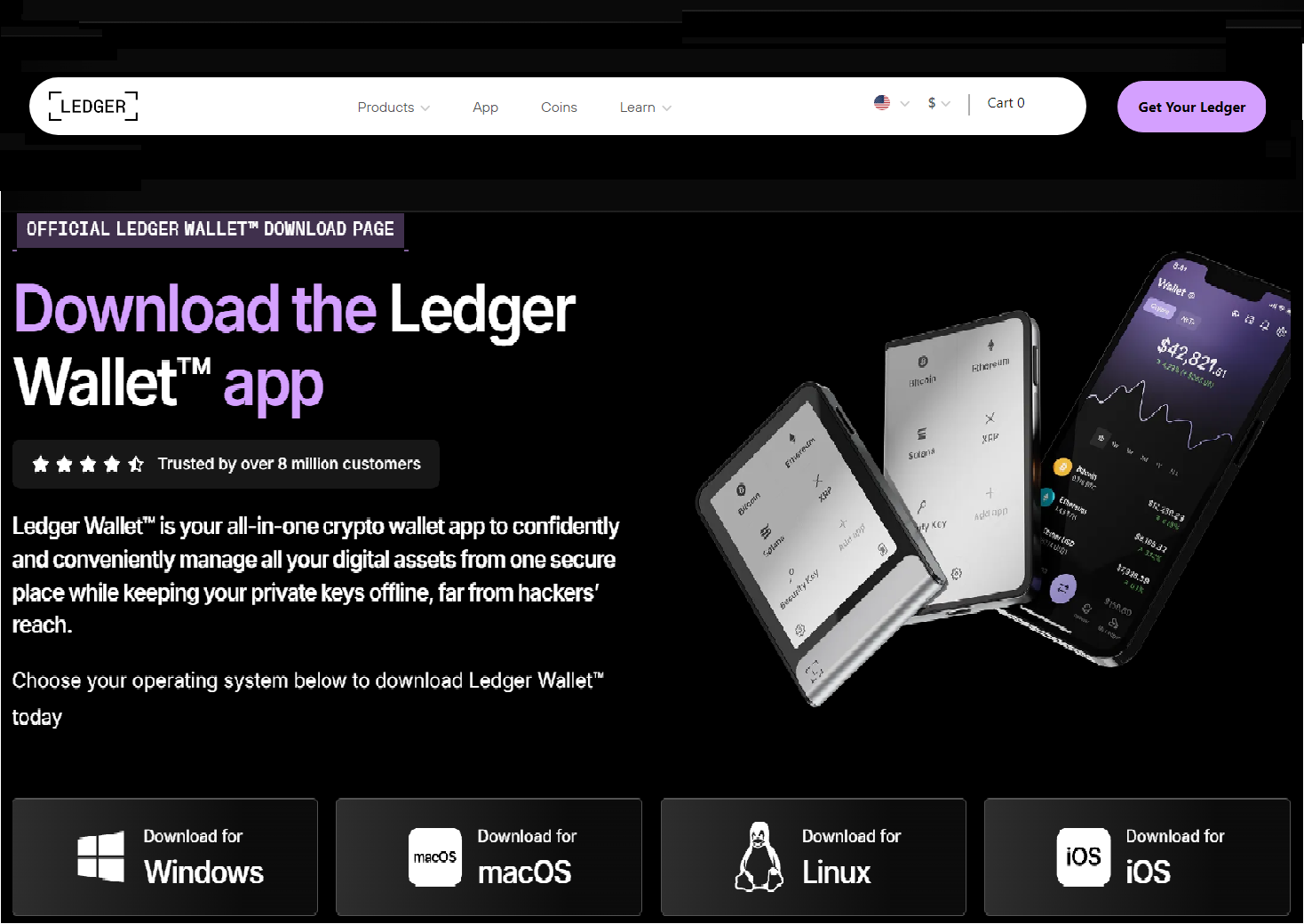
Ledger.com/start: A Beginner’s Guide to Building a Secure Wallet Routine
Setting up a hardware wallet is the beginning of a longer process rather than a single task. New users need to understand how their physical device works, how compatible wallet software fits into the setup, and how to protect sensitive recovery information.
Ledger.com/start can provide a starting point for users who want to learn the fundamentals of preparing a Ledger hardware wallet and developing a practical routine for managing digital assets.
Start With the Official Source
The first step in any wallet setup is making sure your instructions and software come from a trustworthy source.
When accessing Ledger.com/start, check that you are using the official Ledger website. Avoid relying on links received from strangers, unofficial advertisements, or messages that create unnecessary urgency.
A familiar-looking page does not automatically mean it is legitimate, so source verification should become a normal part of your wallet routine.
Prepare a Trusted Environment
Use a computer that you control when setting up your hardware wallet.
Before beginning, make sure the computer is functioning normally and that its usual security protections are active. Avoid installing unrelated applications during the setup process.
Having a clean and familiar environment makes it easier to understand what is happening and identify anything unexpected.
Learn the Purpose of Each Component
A hardware wallet setup involves different components with different responsibilities.
The physical Ledger device is used for important wallet operations and transaction authorization. Compatible wallet software provides a computer-based interface for viewing and managing supported assets.
Learning this relationship helps beginners understand why the hardware device remains important even when most wallet information is displayed on a computer.
Treat Recovery Information as Private
One of the most important parts of getting started is understanding recovery information.
If your wallet provides recovery information during setup, write it down according to the official instructions and keep it protected from unauthorized access.
Do not share it with anyone. Avoid sending it through email, chat, social media, or online forms. A legitimate support interaction should not require you to disclose your recovery phrase.
Take Time to Explore
After completing the basic setup, spend some time becoming familiar with the wallet environment before making significant transactions.
Learn where account information is displayed, how balances are presented, and how transaction history can be reviewed.
You do not need to understand every available feature immediately. Focus on the functions you expect to use most often.
Understand Transaction Confirmation
When you eventually send cryptocurrency, slow down before approving the transaction.
Check the destination address and amount carefully. Review relevant network and fee information where applicable.
If transaction information appears on your Ledger device for confirmation, compare those details with what you intended to send.
A careful review can help identify an error before the transaction is authorized.
Be Selective With Online Assistance
If you encounter a problem, avoid accepting help from random accounts that contact you through social media or messaging platforms.
Some people may claim to be support representatives and request sensitive information or remote access to your computer.
Do not provide your recovery phrase or allow unknown individuals to control your computer. Instead, use official Ledger documentation and support resources.
Make Software Updates a Deliberate Process
Keeping wallet software current can be part of maintaining a healthy setup, but updates should always come from verified sources.
Do not download an update from an unexpected email or suspicious popup. If you receive an unusual update notification, verify it independently through official Ledger resources.
This simple habit helps distinguish legitimate maintenance from potentially harmful downloads.
Review Your Wallet Periodically
Once your setup is established, occasional reviews can help you remain familiar with your wallet.
Check recent transaction activity, account information, and the software you have installed. If something appears unfamiliar, investigate it before interacting with it.
Regular awareness is useful even when you do not actively transact every day.
Create a Routine You Can Follow
A good wallet routine does not need to be complicated.
Before each transaction, verify the important details. During software maintenance, confirm the source. Whenever someone requests sensitive information, stop and verify the request.
Repeating these habits can make secure wallet management feel more natural over time.
Conclusion
Ledger.com/start can serve as a starting point for learning the fundamentals of Ledger wallet setup. From the first installation to everyday management, the most useful habits remain consistent: use official resources, protect recovery information, understand your hardware device, and verify transactions carefully.
Taking a measured approach from the beginning can make the overall hardware wallet experience clearer, more organized, and easier to manage.
Updated about 7 hours ago