
Ledger.com/Start® — Getting Started with Ledger Live™
Start with Ledger.com/start for wallet setup guidance, device connection, account management, asset tracking, and transaction resources.
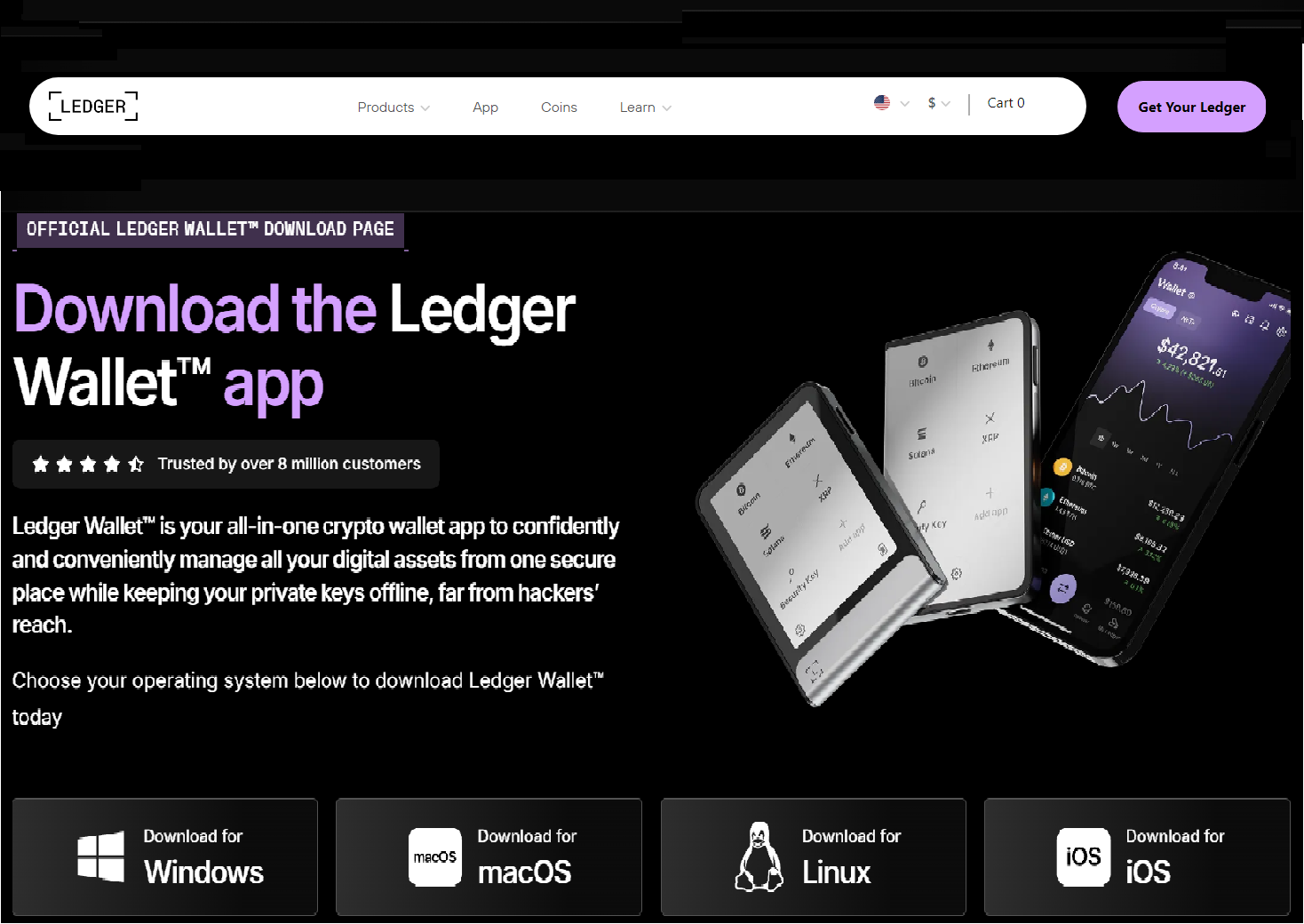
Ledger.com/start: Your Guide to a More Careful First Wallet Session
The first session with a new hardware wallet is an opportunity to establish a clear and thoughtful workflow. Instead of trying to complete everything as quickly as possible, beginners can use the initial experience to understand how the device works, where important information appears, and how transactions should be reviewed.
Ledger.com/start offers a practical starting point for users preparing to explore Ledger wallet setup and everyday digital-asset management.
Make Preparation Your First Step
Before connecting the device, choose a computer you know and control.
Set aside enough time to read the instructions carefully. Avoid completing wallet setup while distracted or while installing unrelated applications.
A focused environment makes it easier to notice unfamiliar prompts and verify each stage of the process.
Begin From a Verified Source
The source of your setup instructions matters.
Navigate directly to official Ledger resources and check the website address before downloading software or entering information.
Avoid relying on links supplied through unexpected emails, social media messages, or unknown websites.
Understand What You Are Setting Up
A hardware wallet involves both physical and software components.
The wallet software gives you an interface for viewing accounts and managing supported assets, while the physical device participates in important authorization steps.
Learning this relationship early can make later transaction screens easier to understand.
Take Your Time With Recovery Information
Recovery information should be handled carefully from the beginning.
Record it according to the official setup process and keep it somewhere secure. Do not share it with another person, type it into random websites, or store it casually in an internet-connected account.
Treat anyone requesting this information with caution.
Explore Before You Transfer
Once your wallet is ready, explore the interface without immediately making a significant transaction.
Look through your accounts and transaction history. Learn where common functions are located and become familiar with the information shown during wallet operations.
This gives you a chance to learn without unnecessary pressure.
Understand Receiving Addresses
Receiving cryptocurrency begins with the correct address.
Select the intended account and asset, then carefully check the address before sharing it.
When verification through the physical device is available, use it to confirm important address information.
Develop a Sending Routine
A consistent sending process can reduce avoidable errors.
Before confirming a transaction, check the destination, asset, amount, network information, and applicable fees. Then compare the details with the information presented on your hardware device.
If anything differs from your intention, stop and investigate.
Pay Attention to Confirmation
After submitting a transaction, understand that network processing may take time.
Review the transaction status rather than repeatedly attempting the same operation. Learn where pending and completed transactions appear within your wallet software.
Understanding normal processing can prevent unnecessary reactions to temporary delays.
Be Careful With Online Assistance
Technical problems can attract unsolicited offers of help.
Do not assume that someone contacting you through social media or messaging services is an official support representative. Never provide recovery information or remote access to your computer to an unknown person.
For assistance, independently locate official support resources.
Keep Software Sources Consistent
Use trusted sources whenever you need wallet software or updates.
Avoid downloading applications from unfamiliar websites simply because they appear in search results or are recommended by strangers.
If an update request seems unexpected, verify it independently before proceeding.
Create Your Own Wallet Routine
Once you become comfortable with the basics, turn them into repeatable habits.
Use trusted sources, protect recovery information, verify addresses, review transaction details, and keep your computer maintained.
A simple routine is easier to remember and apply during everyday wallet sessions.
Conclusion
Ledger.com/start can provide a useful foundation for a new Ledger wallet user. A careful first session is about more than completing setup; it is about learning how the device and software work together and developing habits that support responsible wallet management.
Take your time, verify important information, and make careful review part of every significant wallet operation.
Updated about 6 hours ago