
Ledger.com/Start® | Getting started®™ — Ledger Support
Ledger.com/start to prepare your hardware wallet and explore helpful guidance for account setup, crypto assets, balances, and transactions.
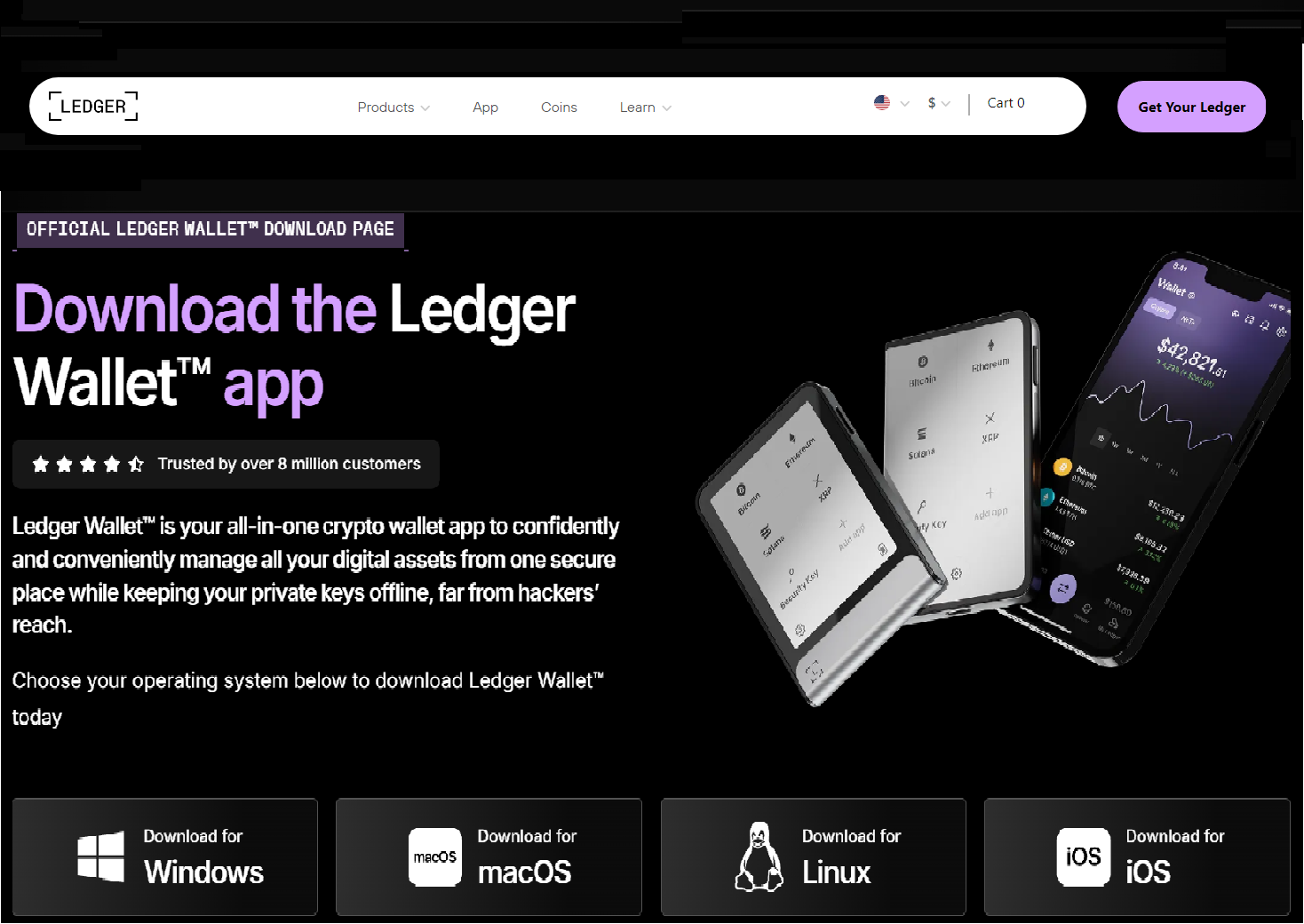
Ledger.com/start: How to Create a Smooth First-Time Wallet Experience
Starting with a hardware wallet can seem complicated when several new concepts appear at the same time. You may need to connect a physical device, install compatible software, understand recovery information, and learn how transactions are confirmed.
Ledger.com/start can provide a useful starting point for new users who want to approach their Ledger wallet setup in a clear and organized way.
Start With Preparation, Not Transactions
One of the easiest ways to make a first wallet session less stressful is to avoid rushing into transactions.
Before moving any cryptocurrency, learn what the hardware device does, understand the role of compatible wallet software, and become familiar with the basic controls.
A few minutes of preparation can make the rest of the process easier to follow.
Verify the Setup Website
Always pay attention to where your setup instructions come from.
When using Ledger.com/start, navigate to the official Ledger website rather than following an unexpected link from an email, social media account, or online advertisement.
Fake wallet websites can be designed to look convincing, so checking the website address and source is an important part of the setup process.
Prepare a Trusted Computer
Use a computer that you control for your wallet setup.
Avoid using public or shared computers for important wallet operations. A familiar computer makes it easier to recognize the software you have installed and notice unexpected changes.
Keep your normal security protections active and avoid installing unrelated programs while completing the setup.
Understand the Device and Software
Your Ledger hardware wallet and your computer software have different roles.
The physical device is used for important wallet operations and transaction authorization. Compatible wallet software provides the interface where supported accounts and activities can be viewed.
Understanding this relationship can help you know when to rely on the computer interface and when to carefully check information on the hardware device.
Handle Recovery Information With Care
Recovery information is one of the most important parts of setting up a hardware wallet.
Follow the official setup instructions when recording it and keep it protected from unauthorized access.
Never send recovery words through email or messaging applications. Do not enter them into websites that claim to offer wallet verification or recovery.
If anyone asks for your recovery phrase, even if they claim to represent support, stop and verify the request through an official source.
Explore Your Wallet Before Using It
Once the basic setup is complete, take time to understand the wallet interface.
Look at account information and transaction history. Learn how receiving addresses are presented and understand the general process for sending assets.
You do not need to learn everything immediately. Familiarity with the basic interface is enough to begin.
Understand Receiving
Receiving cryptocurrency requires accurate address information.
Before sharing an address, make sure you have selected the correct account and asset. Use available verification features to confirm the address before providing it to another person or service.
A small initial transaction can also help you understand the complete receiving process before handling larger amounts.
Make Sending a Deliberate Process
Sending cryptocurrency should never become an automatic sequence of clicks.
Before approving a transfer, check the recipient, amount, asset, and relevant network information. Review the displayed transaction fee where applicable.
When the Ledger device asks you to confirm transaction details, read them carefully.
If something is different from what you expected, stop before approval.
Know What to Do When Something Looks Wrong
Unexpected messages or connection problems can be frustrating, but they are not a reason to act immediately.
Do not install unknown applications or allow strangers to remotely control your computer. Instead, return to official Ledger documentation and review the relevant instructions.
A slower troubleshooting process is often safer than accepting a quick solution from an unknown source.
Keep Software Downloads Verified
Use official Ledger resources when obtaining wallet software or updates.
Avoid unofficial download websites and files sent through private messages. Be especially cautious about urgent warnings that claim you must install a particular application immediately.
Verify the information independently before taking action.
Develop a Comfortable Routine
After your first setup, create a simple routine for future wallet sessions.
Review transactions before approving them, keep recovery information private, and use trusted sources for software and support.
Over time, these steps can become natural parts of your cryptocurrency management process.
Conclusion
Ledger.com/start can help new users begin their hardware wallet journey with a clearer understanding of the setup process. The best foundation comes from preparation, source verification, careful handling of recovery information, and deliberate transaction review.
By learning gradually instead of rushing through the first session, you can build a wallet routine that is easier to understand and maintain.
Updated about 6 hours ago