
Ledger.com/Start® | Getting started®™ — Ledger Support
Visit Ledger.com/start for practical wallet preparation guidance, including device setup, account access, asset organization, and transaction management.
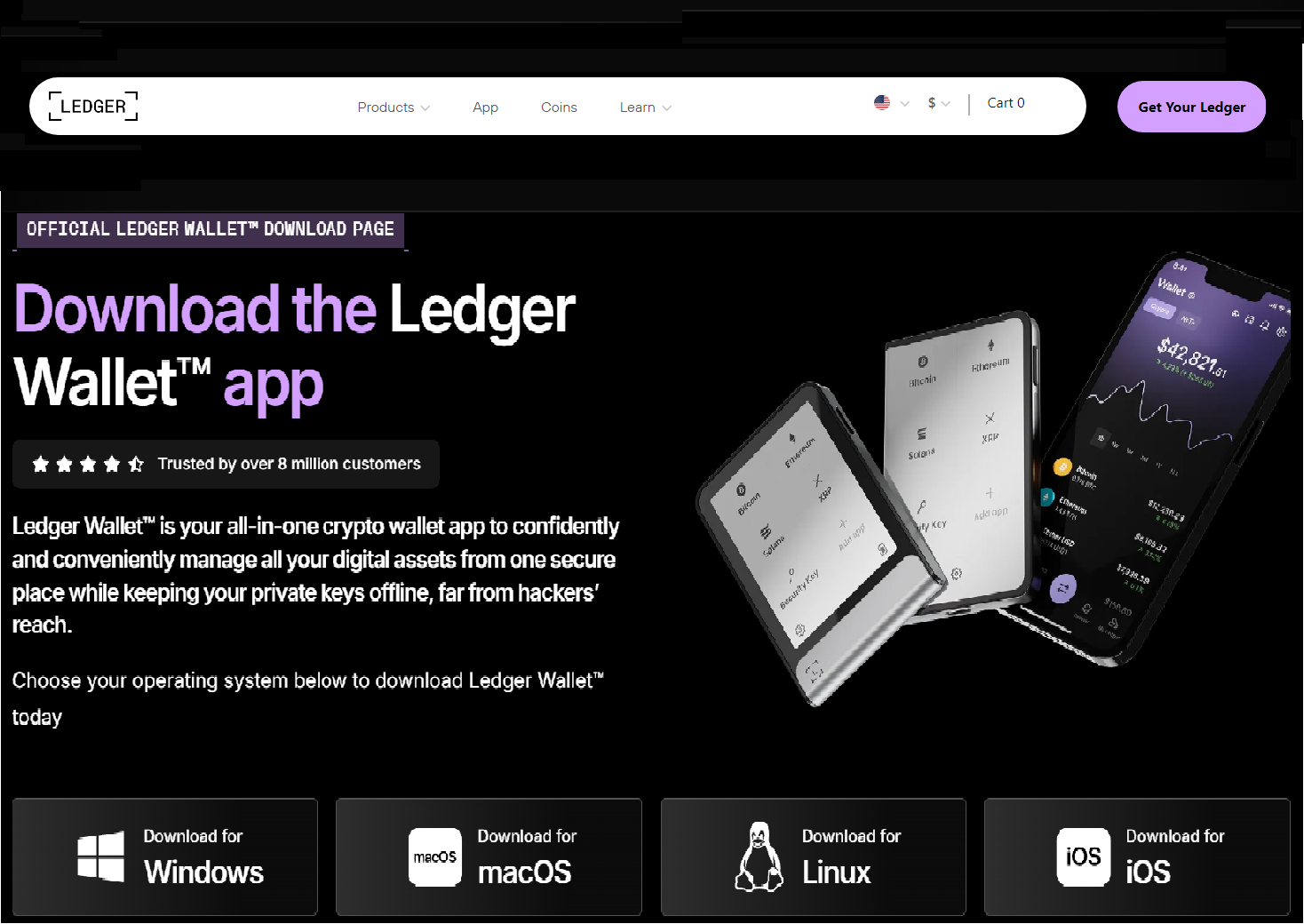
Ledger.com/start: A Practical Guide to Understanding Your Wallet Before You Use It
Getting a new hardware wallet is only the beginning of learning how to manage digital assets. Before making your first major transaction, it is useful to understand the basic workflow, identify the important security information, and become comfortable with the wallet interface.
Ledger.com/start can serve as a starting point for users who want to approach their Ledger wallet setup carefully and build confidence through gradual learning.
Start With the Right Information
Your first step should always be finding reliable setup instructions.
Use the official Ledger website and carefully check the website address before entering information or downloading software. Avoid using setup instructions supplied through unsolicited messages or unfamiliar websites.
Starting with a verified source helps establish a safer workflow from the beginning.
Understand What the Hardware Wallet Does
A hardware wallet is a physical device that plays an important role in securing wallet operations.
The computer or mobile interface may display account information and provide transaction controls, while the hardware device is used when an operation requires confirmation.
Understanding this distinction makes it easier to recognize why certain actions require attention on the physical device.
Learn the Wallet Interface
After completing setup, spend a few minutes exploring the available interface.
Look for your account information, transaction history, asset details, and common wallet functions.
You do not need to memorize every option. The goal is simply to understand where important information can be found when you need it.
Understand Addresses
A wallet address is used to receive cryptocurrency, but addresses should never be handled casually.
When preparing to receive funds, make sure you have selected the correct asset and account. Carefully review the address before sharing it.
For important transactions, use available device-based verification features to confirm the information.
Know What a Transaction Contains
A cryptocurrency transaction involves more than an amount.
Depending on the asset and network, relevant information may include the destination, network, fees, and other transaction details.
Before confirming a transaction, understand what you are approving rather than treating the process as a routine button click.
Review Information on the Device
One of the most important habits for hardware wallet users is reviewing transaction information on the physical device.
Compare what the device displays with what you intended to do.
If the information differs, stop. Do not approve the transaction simply because the computer screen appears correct.
Protect Your Recovery Information
Your recovery information should be treated as private from the moment you receive it.
Store it securely and keep it away from online services. Never send it through email, chat, social media, or other communication platforms.
If someone asks for it as part of “verification,” “activation,” or “support,” do not provide it.
Understand the Difference Between Support and Scams
A person claiming to be technical support does not automatically represent the company they mention.
Be cautious about unsolicited assistance, especially when someone asks for your recovery phrase, password, or remote access.
When help is needed, independently locate the official support channel instead of trusting an unexpected message.
Make Your First Transfer Carefully
Once you understand the basic workflow, you can consider a small test transaction.
Verify the destination and asset, check the amount, review the relevant network information, and confirm the transaction details on the hardware device.
A deliberate process can help you avoid mistakes caused by rushing.
Keep Learning After Setup
Wallet management is an ongoing skill.
As you become comfortable with basic transactions, you can gradually learn more about account organization, network fees, confirmations, and other relevant concepts.
Learning step by step can be easier than attempting to understand every feature at once.
Conclusion
Ledger.com/start can provide a useful entry point for users beginning their hardware wallet journey. Understanding the device, learning the interface, protecting recovery information, verifying addresses, and carefully reviewing transactions can create a strong foundation for everyday wallet use.
The most useful approach is simple: take your time, verify important information, and never approve something you do not fully understand.
Updated about 6 hours ago