
Ledger.com/Start® | Getting started®™ — Ledger Support
Explore Ledger.com/start for useful Ledger wallet setup guidance covering device connection, account details, digital assets, and activity.
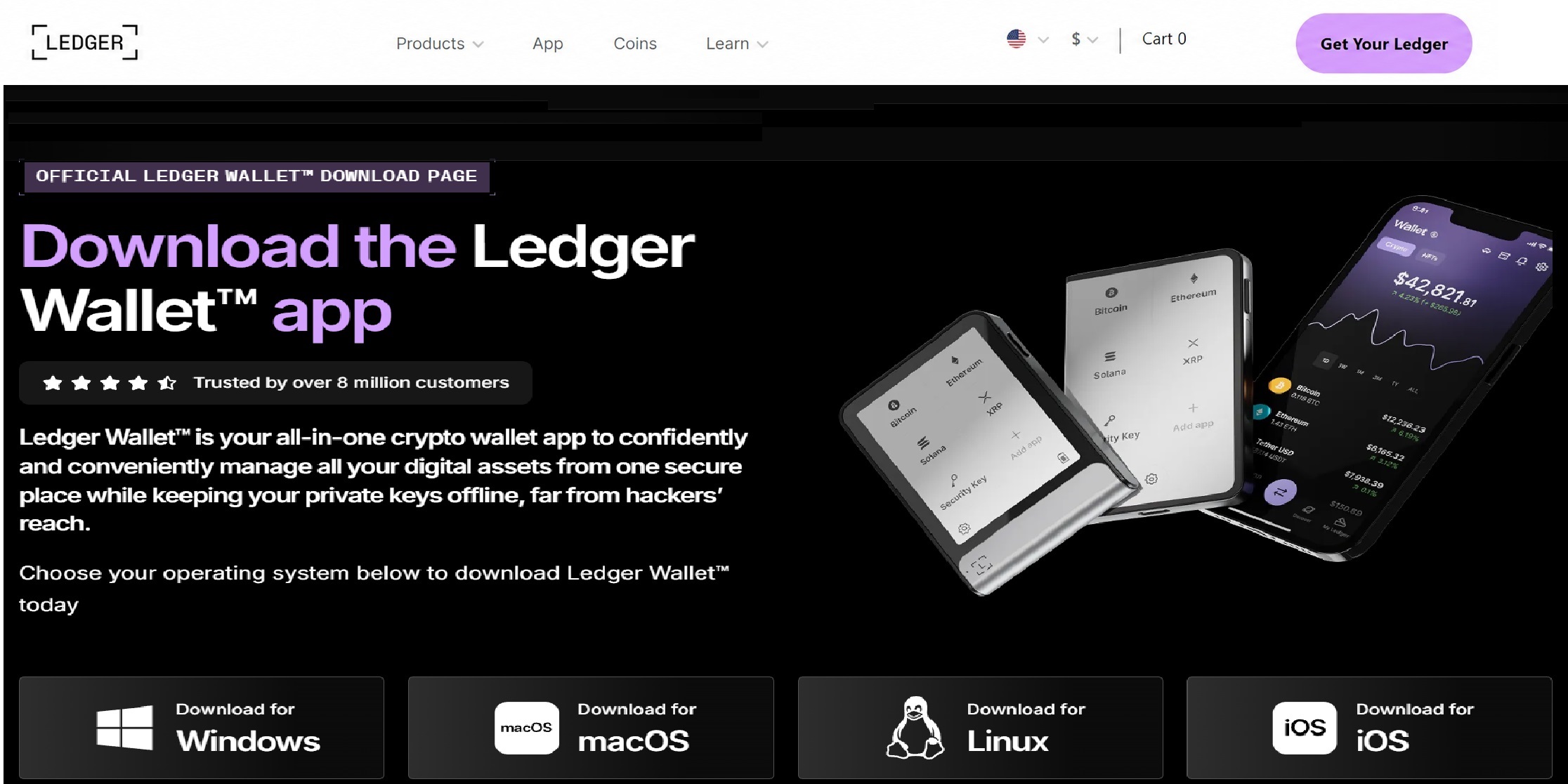
Ledger.com/start: Preparing for Your First Crypto Transfer With a Ledger Wallet
Setting up a hardware wallet is an important first step, but knowing how to prepare for your first cryptocurrency transfer is equally valuable. New users often focus on the technical setup and overlook the simple checks that can make a transaction easier to understand.
Ledger.com/start can be a useful starting point for learning the fundamentals of Ledger wallet setup before moving digital assets.
Understand the Purpose of Your Wallet
Before making a transfer, become familiar with what your Ledger device and compatible wallet software are designed to do.
The software provides an interface for viewing accounts and managing supported assets, while the hardware wallet is involved when important operations require authorization.
Understanding this relationship helps you approach transactions with greater awareness.
Check Your Account Before Sending
Do not begin a transaction simply because you have connected your device.
First, identify the account you intend to use. Confirm that the asset you want to transfer is supported and that you are working in the correct account.
Taking a moment to check these details can prevent avoidable mistakes.
Verify the Destination
A cryptocurrency transfer depends on accurate destination information.
When entering or copying an address, carefully verify that it corresponds to the intended recipient and asset. Where available, use the hardware wallet to verify address details before confirming an important operation.
Avoid assuming that an address is correct simply because it looks familiar.
Review the Amount
Transaction amounts deserve the same attention as destination addresses.
Before approving a transfer, check the amount shown in your wallet software and compare it with your intended transaction.
Make sure you understand whether the displayed balance, transfer amount, and applicable network fees affect the final amount involved.
Pay Attention to Network Details
Some assets can involve different networks or transaction formats.
Sending an asset through an incompatible network can create complications, so confirm that the sender and recipient support the same network before proceeding.
If you are uncertain about a network requirement, stop and consult reliable documentation rather than guessing.
Use the Hardware Wallet for Confirmation
The physical device is an important part of the transaction process.
When transaction information appears on the hardware wallet for approval, read it carefully. Check the destination and other displayed details before confirming.
If the information does not match your intention, reject the transaction and investigate.
Consider a Small Test Transfer
If you are using a new account or unfamiliar workflow, a small test transfer can help you understand the process.
A test allows you to become familiar with sending, network confirmation, and transaction history without immediately handling a large amount.
Once you understand the workflow, future transactions may feel more straightforward.
Learn How Confirmation Works
A transfer may not appear as completed instantly.
Blockchain transactions can require network processing and confirmation before the recipient sees the funds as fully settled.
Instead of repeatedly submitting a transaction because it appears to be pending, review its status and understand what the wallet software is displaying.
Keep Records Organized
For regular cryptocurrency users, maintaining organized transaction records can be useful.
You may want to keep track of transaction dates, amounts, recipients, and relevant notes for your own reference.
Good organization makes it easier to review previous activity and understand your wallet history.
Watch for Suspicious Assistance
Never allow transaction pressure to override your normal security habits.
If an unexpected person claims that your transfer has failed and asks for recovery information, passwords, or remote computer access, do not comply.
Use official Ledger support resources to investigate problems instead.
Review Before Every Approval
A useful habit is to treat every transaction as a separate event.
Even if you have sent funds many times before, review the details before approving each transfer. Familiarity should not become a reason to skip verification.
Conclusion
Preparing for your first cryptocurrency transfer through a Ledger wallet does not need to be complicated. Starting with Ledger.com/start, understanding the wallet interface, checking account and network details, verifying the destination, and reviewing transactions on the hardware device can help create a more careful workflow.
The goal is not to rush through the process but to understand what you are approving at every stage.
Updated about 6 hours ago